


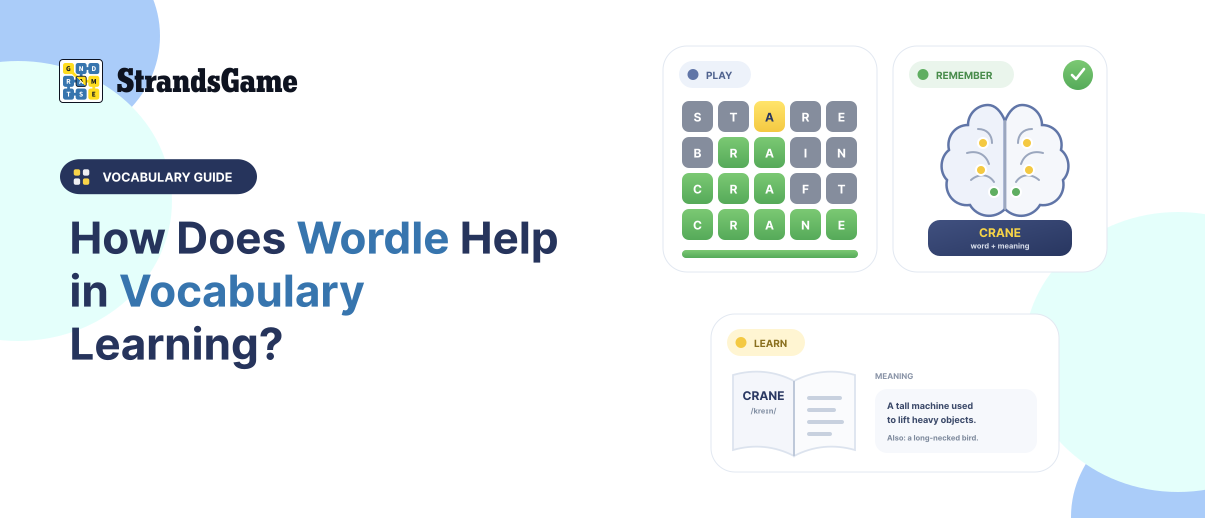
Vocabulary learning has always been an important aspect of language. Anyone who knows more words in a language can communicate and understand the language better than anyone else. But traditional language learning is a bit boring.
Individuals usually need to read books to learn new vocabulary. However, nowadays there are so many things from which you can learn vocabulary without being bored. One of those is games, especially online word games.
Whenever someone talks about word games, the first name that comes to mind is Wordle. Wordle is one of the most popular word games. Players really enjoy playing it while also learning new words. It is obvious that one can’t learn multiple words in one day so players take a few minutes each day to play this game.
But still, one remains curious: how does it even happen? It is known that Wordle helps with vocabulary learning but that question remains the same. Let’s understand how Wordle helps with that.
Why is Vocabulary Learning Important?
Words are the building blocks for communication, comprehension and thought. A person with a strong vocabulary can share their thoughts and ideas. They don't even get confused or hesitate. They can engage others in conversation and deal with people more confidently.
Using rich and appropriate words makes your writing and speaking more professional. It is also helpful for reading. You can recognize and understand words in books or written text. Hence, you don’t need to stop reading and search for the meaning of the word.
Moreover, knowledge of words at an early age helps you to do better in school. It opens doors for new opportunities. Words strengthen critical thinking and problem solving skills. We can also understand the world around us better.
Learn Vocabulary through Wordle
Wordle is a simple daily puzzle. You get six attempts to guess a word. Every guess forces you to search your memory for words. This search is exactly what builds vocabulary.
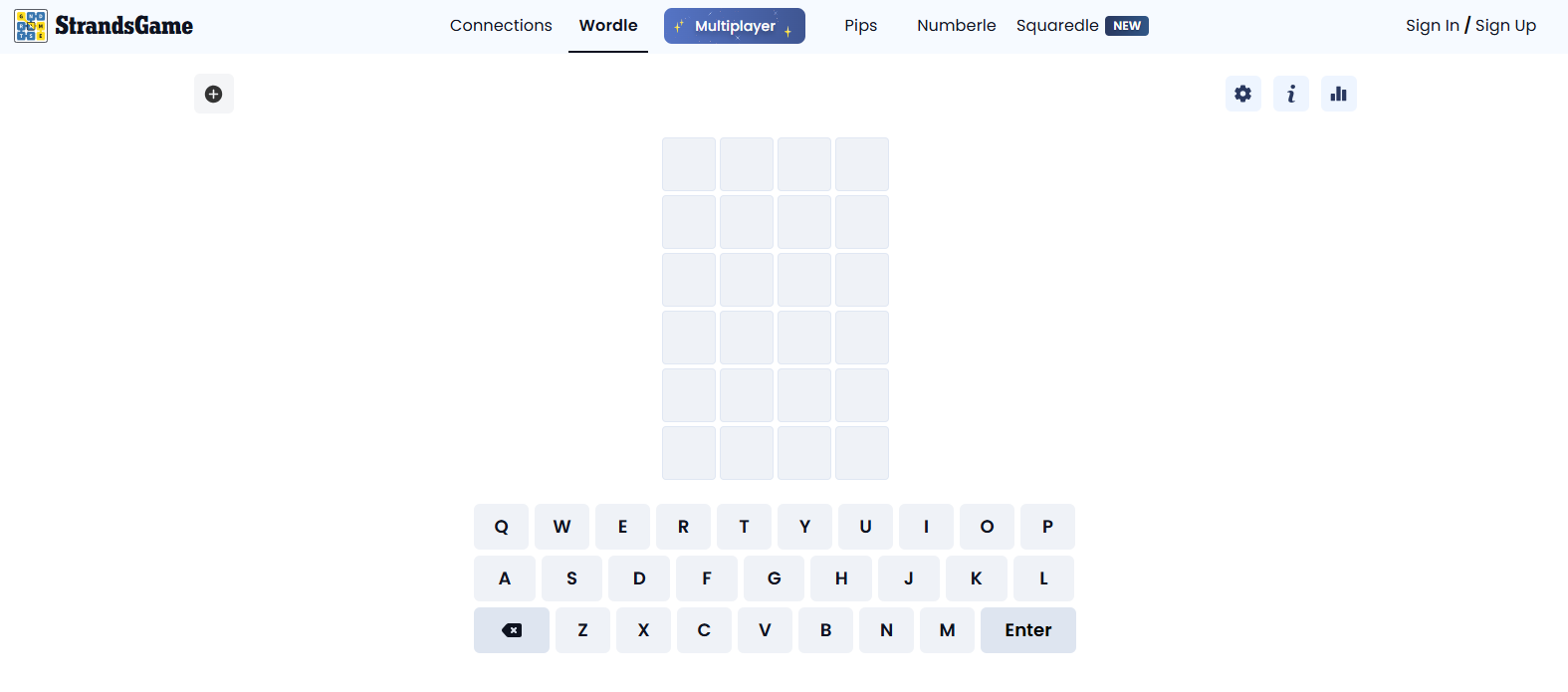
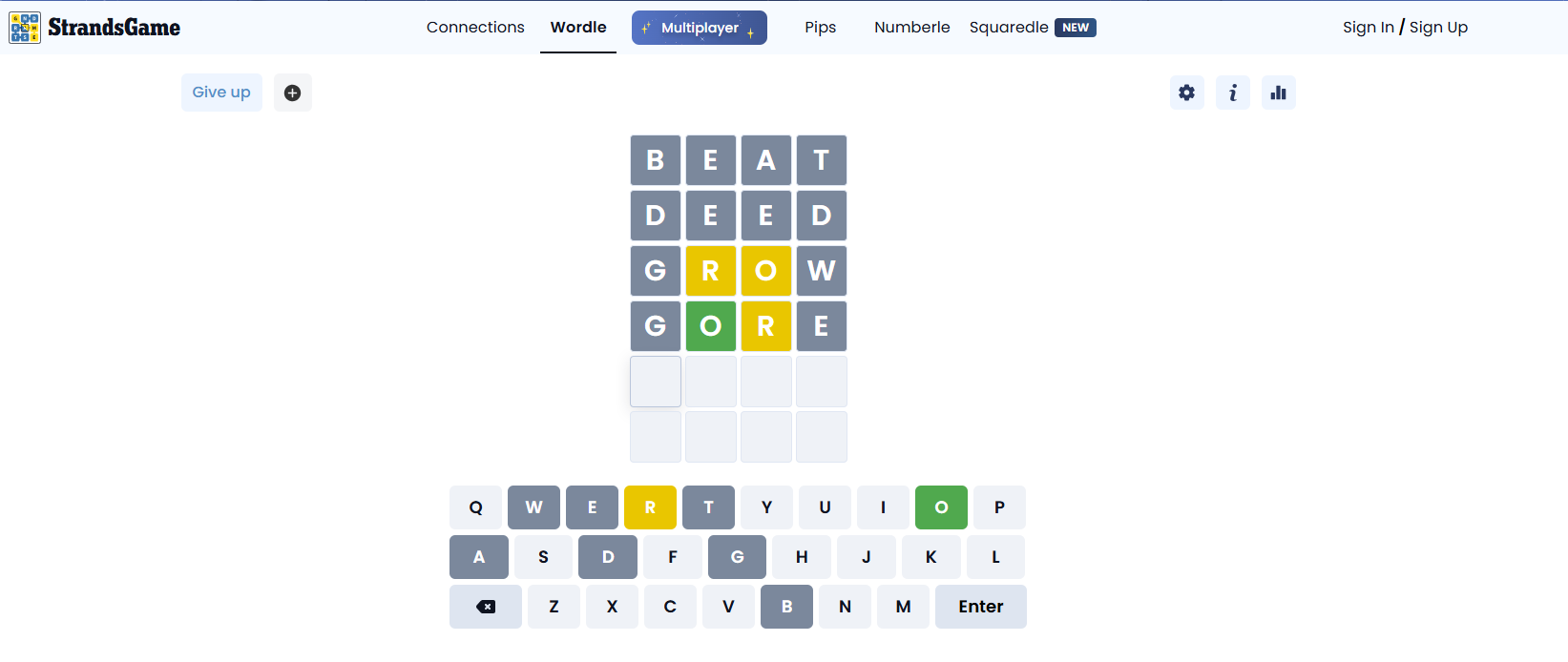
When you find a word, the tile colour changes to grey, yellow or green. Grey means the word is wrong.
Yellow means the word is correct. However, it is not in the right place. Green means the word is correct and in the right place.
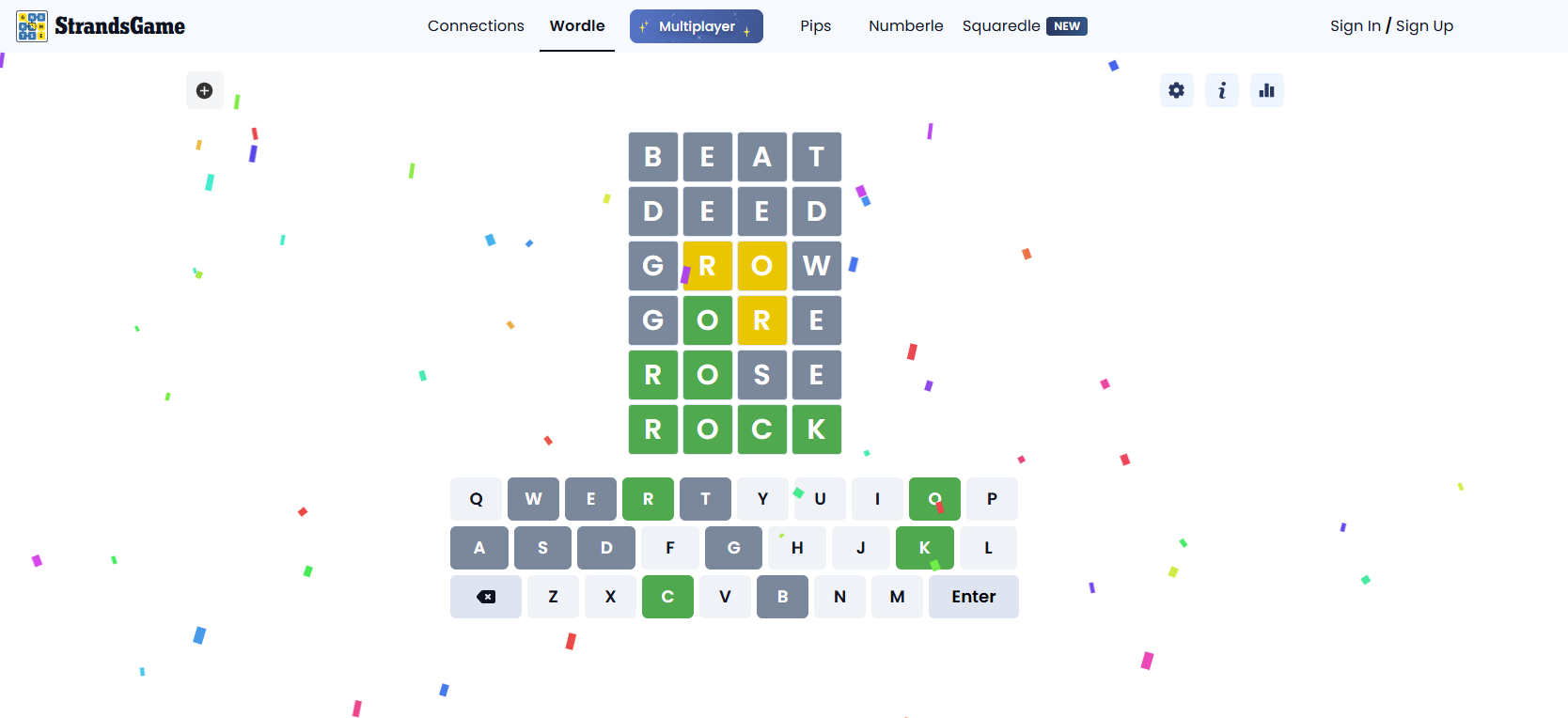
When all your letters are correct, all tiles turn green. In short you find the correct word successfully and you win the game.
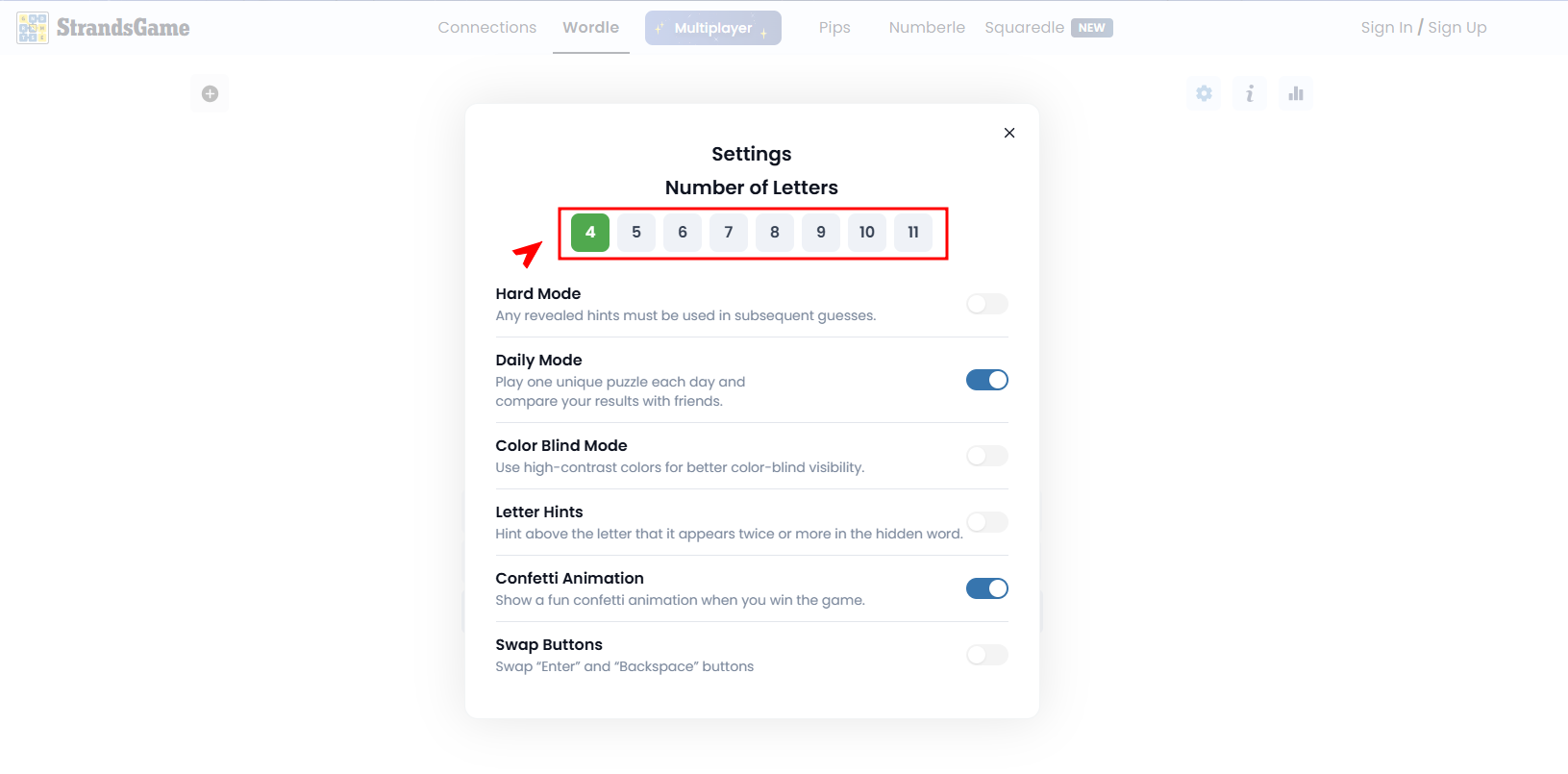
Wordle game usually consists of 4 - 11 spaces. You can choose any number depending on your requirement. To understand it in simple words. Suppose you want to challenge yourself with 8-letter words. You will click the settings option. Select the number 8 and start playing it.
Pattern Recognition
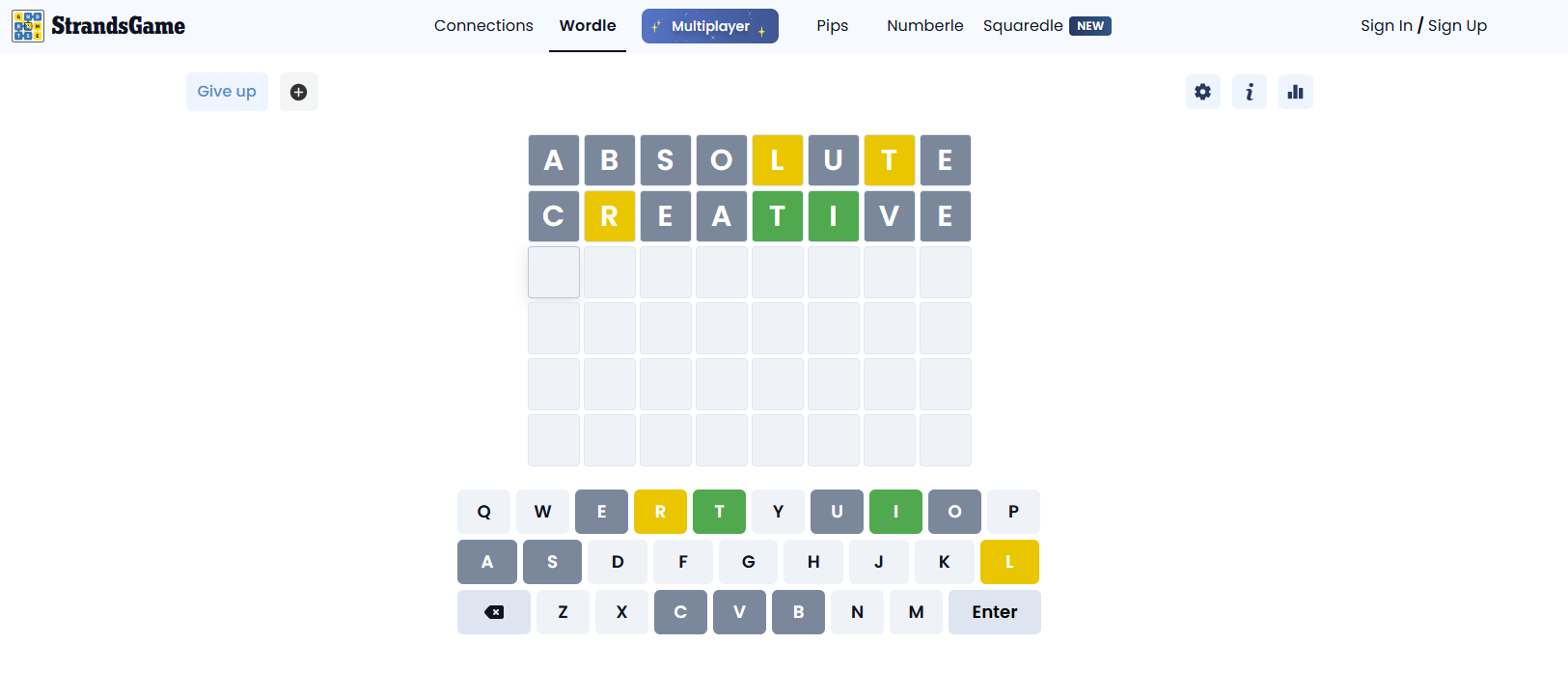
When someone plays Wordle, they heavily rely on their subconscious knowledge of English Vocabulary. For example, we select the 8 letter word gameplay and we put random letters in the empty tiles. It encourages players to think of different combinations of consonants which can help find the correct word.
Learning Spelling
This game forces players to use correct spelling. In short this game minimizes players' spelling mistakes. It forces players to use valid words for every guess. In this way, it strengthens your habit of using correct spelling.
Logical Deduction
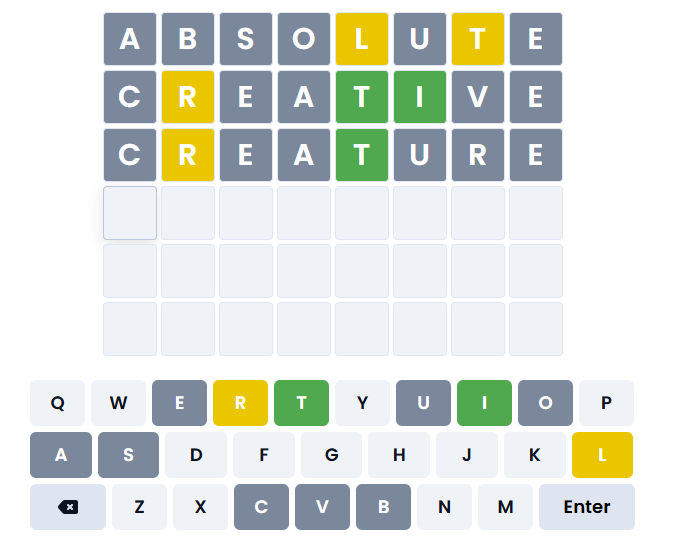
Moreover, Wordle also trains the brain to use logical deduction through colour coded feedback. You can see in the above image how some tiles are yellow, some are grey while some are green. We use another word to see which letters it would eliminate.
This helps players minimize the possibilities. This prevents them from making completely random guesses. Players who want to improve this skill should know how to solve Wordle without cheating and use strategic approaches to make better guesses.
Exposure to New Terms
We added different letters. When a player adds such words, they start thinking about random letters that may fit in. If you enter a random word, it wouldn’t count as a mistake. The game will automatically give you a “Word Not Found” pop up.
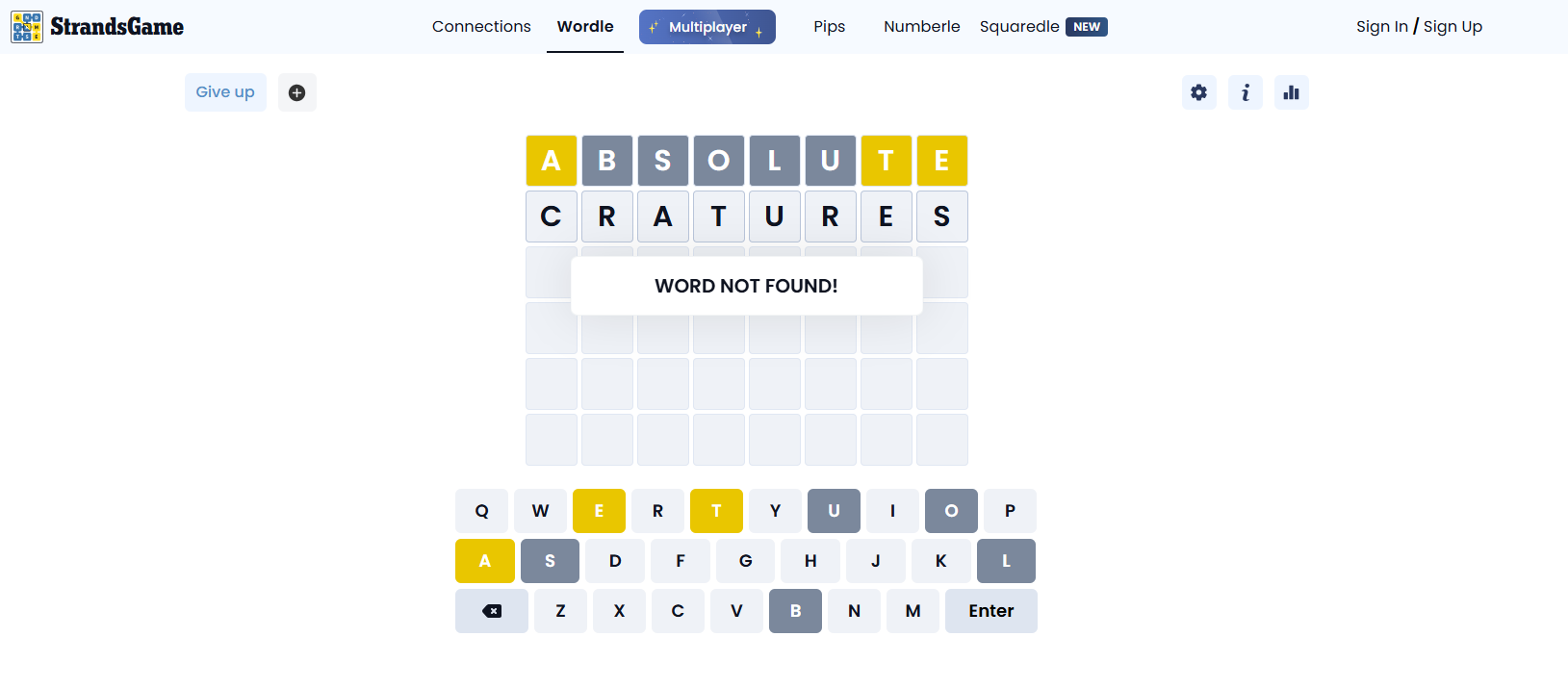
We have got plenty of clues. right? Let’s use these clues to write a word that may be the correct one.
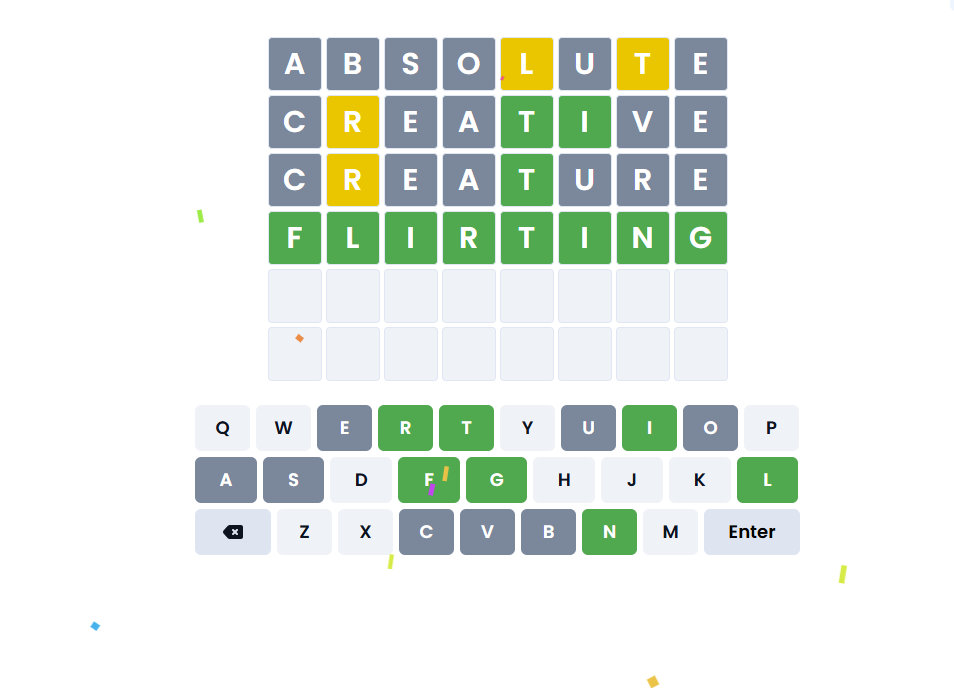
We started another gameplay and we were unable to find a word. Then, out of nowhere, we just picked some random letters and put them there. It turns out to be a real word.
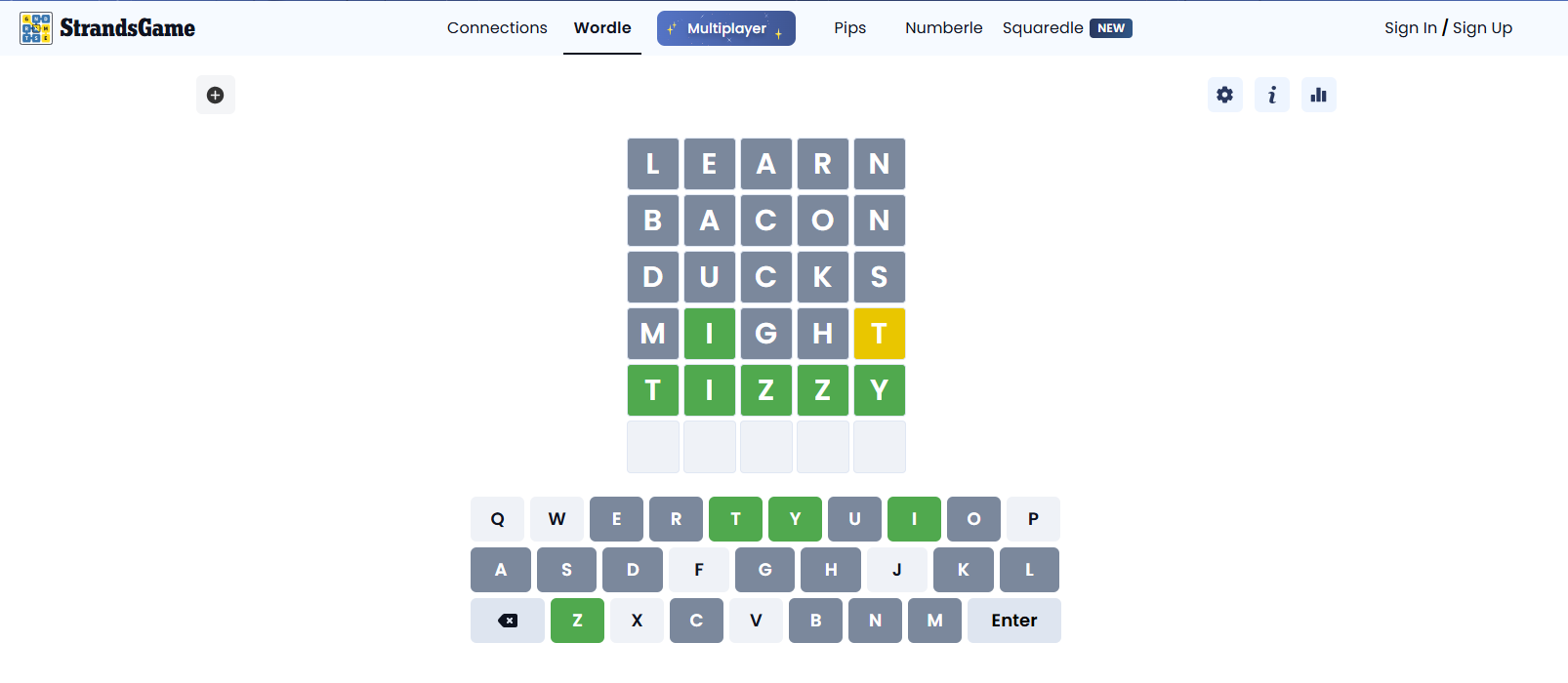
Players sometimes encounter a less familiar word. When they see that word along with the exact spelling. That word is saved in their subconscious memory. Hence, when they see a similar word somewhere else, it no longer remains unknown to them.
Repetition Without the Boredom
When you have to learn vocabulary, you need to sit down and revise. But most people don’t love doing that.
Wordle takes three to five minutes. You can play as many puzzles as you like. When you get bored or burn out, you can leave it. You keep playing it every day and it becomes a habit. Habits are what actually produce results over months.
Ten new words a month sounds small. But a hundred words a year sounds impressive, right?
How to Get More Vocabulary Out of Wordle?
If you want the game to do more for your vocabulary. Here are some tips that can help:
Look up every unfamiliar answer. Don't just close the tab when you win. Spend some time on the meaning.
Keep a list. Note every word on your phone. Also write a short definition. Read it once a week.
Use the word within a day or two. Put it in a message, an email or a conversation.
Vary your starting word. Don’t stick to the same word as the opening word.
Guess words you're unsure about. If you just remember half a word, try it. You'll find out either way.
Final Words
Wordle is a helpful tool. It can’t serve as a dictionary or vocabulary course. It only helps with 4 - 11 letter words, so pick up words in its range. It also shows you words without context. While context matters a lot to get the meaning of a word.
The best approach is to treat Wordle as one part of a bigger habit. Play it daily, read regularly and use the new words you find. The game gets you curious. Reading and speaking turn that curiosity into fluency.
FAQs
Is Wordle a skill- or luck-dependent game?
Both. But skill matters more than people assume. Luck decides whether your opening word happens to share letters with the answer. Skill decides what you do with the feedback after that. A strong player narrows possibilities with each guess and doesn’t guess randomly.
How many words can I realistically learn from Wordle in a year?
It depends on how often you play. If you only aim to win. You might encounter various unfamiliar words. If you look up every answer you don't recognize and note it down. Around 80 to 150 new words a year is a fair estimate. That number climbs if you play longer letter counts.
Is Wordle useful for people learning ESL?
Yes. Learners at an intermediate level or above benefit the most. This is because they already recognize common letter patterns. They can use the feedback productively. Complete beginners may find it frustrating, since the game gives no meanings or translations. Pairing it with a dictionary app makes it far more useful for ESL learners.
What letter count should I choose if my goal is vocabulary growth?
Five and six letters give you the smoothest experience but mostly familiar words. Seven and eight letters push you into less common territory. This is where the real learning happens. A reasonable strategy is to play your comfortable length most days. You can attempt a longer one once or twice a week.
Should I use a Wordle solver or word list?
Not if learning is the goal. Solvers remove the memory search, and that search is the entire mechanism through which the game builds vocabulary. Looking up the meaning of an answer after you've finished is different, and worth doing. Looking up candidate words mid-game is not.
Is there an ideal starting word?
Words with several common vowels and frequent consonants reveal the most. This is why openers like ADIEU, CRANE and SLATE are popular. That said, reusing the same starter every single day limits the range of letters you encounter. Rotating between two or three keeps the game varied without hurting your solve rate.
Why do I sometimes get a "Word Not Found" message?
The game only accepts entries that appear in its dictionary. If your guess is a proper noun, an abbreviation, a very obscure term or simply not a real word. It won't accept it. This isn't counted as a failed attempt. So you can try something else without penalty.
Does playing Wordle help with anything besides vocabulary?
It exercises working memory, pattern recognition and logical elimination. You're holding several constraints in mind at once and testing candidates against all of them. Those are transferable habits, useful in anything from crosswords to problem-solving at work.